
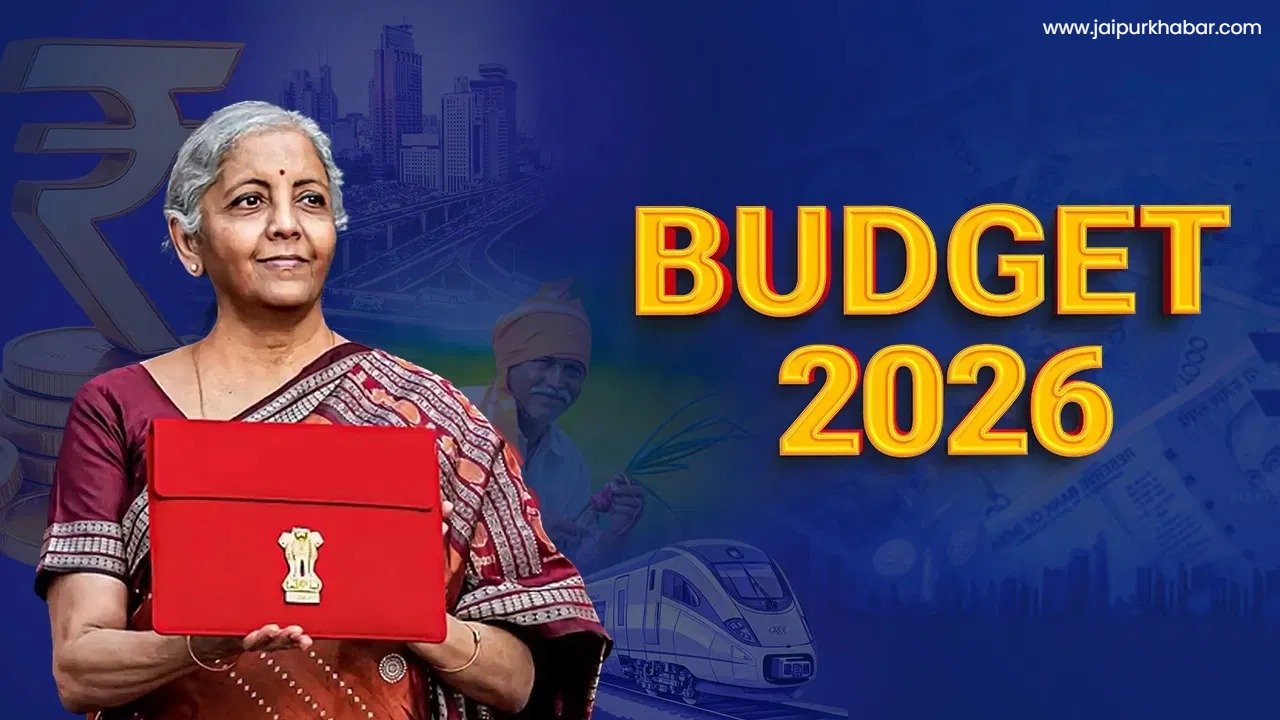
Budget 2026 Update: Finance Minister Nirmala Sitharaman’s latest budget sets long-term goals for India, yet it leaves farmers and the middle class disappointed due to no major relief announcements.
Budget 2026 Vision vs Ground Reality for Common Citizens
Finance Minister Nirmala Sitharaman presented her ninth Union Budget with a strong vision of transforming India into a developed nation by 2047. Moreover, the budget highlighted infrastructure growth, fiscal discipline, and long-term economic stability. However, for millions of ordinary citizens, especially farmers and the middle class, the speech failed to meet expectations.
People across the country followed the budget closely—some glued to television screens, others listening through mobile phones. Meanwhile, hopes were high that the government would announce direct financial relief to address rising costs and income pressure. Consequently, the lack of such announcements triggered widespread disappointment.
Farmers’ Expectations from Budget 2026 Remain Unfulfilled
Farmers entered Budget 2026 with clear expectations. In addition, they were hoping for stronger income support amid rising input costs and unpredictable weather conditions. However, the budget speech ended without a single new announcement aimed directly at the farming community.
The biggest setback came from the unchanged PM Kisan Samman Nidhi scheme. For months, there were strong discussions that the annual assistance could rise from ₹6,000 to ₹9,000. Therefore, farmers expected a meaningful boost to their annual income support. Unfortunately, the government chose to maintain the existing structure, offering no increase in allocation.
No Change in PM Kisan Samman Nidhi Amount
Under the PM Kisan Samman Nidhi scheme, eligible farmers continue to receive ₹6,000 annually in three equal instalments. Moreover, despite inflation and higher cultivation costs, the government did not revise the instalment amount in Budget 2026.
This decision disappointed farmers who were counting on enhanced financial support. On the other hand, the government maintained that existing schemes would continue smoothly, focusing more on long-term agricultural reforms rather than immediate cash benefits.
| Feature | Details |
|---|---|
| Annual PM Kisan Amount | ₹6,000 |
| Number of Instalments | 3 per year |
| Amount per Instalment | ₹2,000 |
| Expected Annual Increase | ₹9,000 (Not Approved) |
Kisan Credit Card Limit Stays at ₹5 Lakh
In addition to PM Kisan disappointment, farmers were also expecting relief through an increased Kisan Credit Card (KCC) loan limit. Currently, the KCC limit stands at ₹5 lakh, with interest subsidies available on loans up to this amount.
Many farmers hoped the government would raise this limit to ₹6 lakh in the 2026–27 financial year. However, no such revision was announced. Consequently, access to additional low-interest credit remains limited for small and marginal farmers.
It is worth noting that the previous budget had increased the KCC limit significantly from ₹3 lakh to ₹5 lakh. Meanwhile, Budget 2026 chose stability over expansion, leaving farmers without fresh credit-related relief.
| Feature | Details |
|---|---|
| Current KCC Limit | ₹5,00,000 |
| Expected New Limit | ₹6,00,000 |
| Interest Subsidy | Applicable up to ₹5 lakh |
| Change in Budget 2026 | No Increase |
What Farmers Will Receive in the 22nd PM Kisan Instalment
Looking ahead, the 22nd instalment of the PM Kisan Samman Nidhi scheme will remain unchanged. Therefore, eligible farmers will receive ₹2,000 in the upcoming payment cycle.
Had the government increased the annual allocation to ₹9,000, each instalment would have risen to ₹3,000. However, with no revision announced, farmers must continue managing their expenses within the existing framework.
Additionally, experts believe the government may revisit farmer-focused schemes outside the budget cycle. However, for now, Budget 2026 offers continuity rather than expansion in direct agricultural benefits.
Overall Impact of Budget 2026 on Farmers
Budget 2026 emphasizes long-term national development, yet it leaves immediate concerns of farmers largely unaddressed. While fiscal discipline remains important, direct income support plays a crucial role in sustaining rural livelihoods.
Consequently, the absence of enhanced PM Kisan payments and unchanged Kisan Credit Card limits has created dissatisfaction among farmers. Whether future policy measures will address these gaps remains to be seen.