
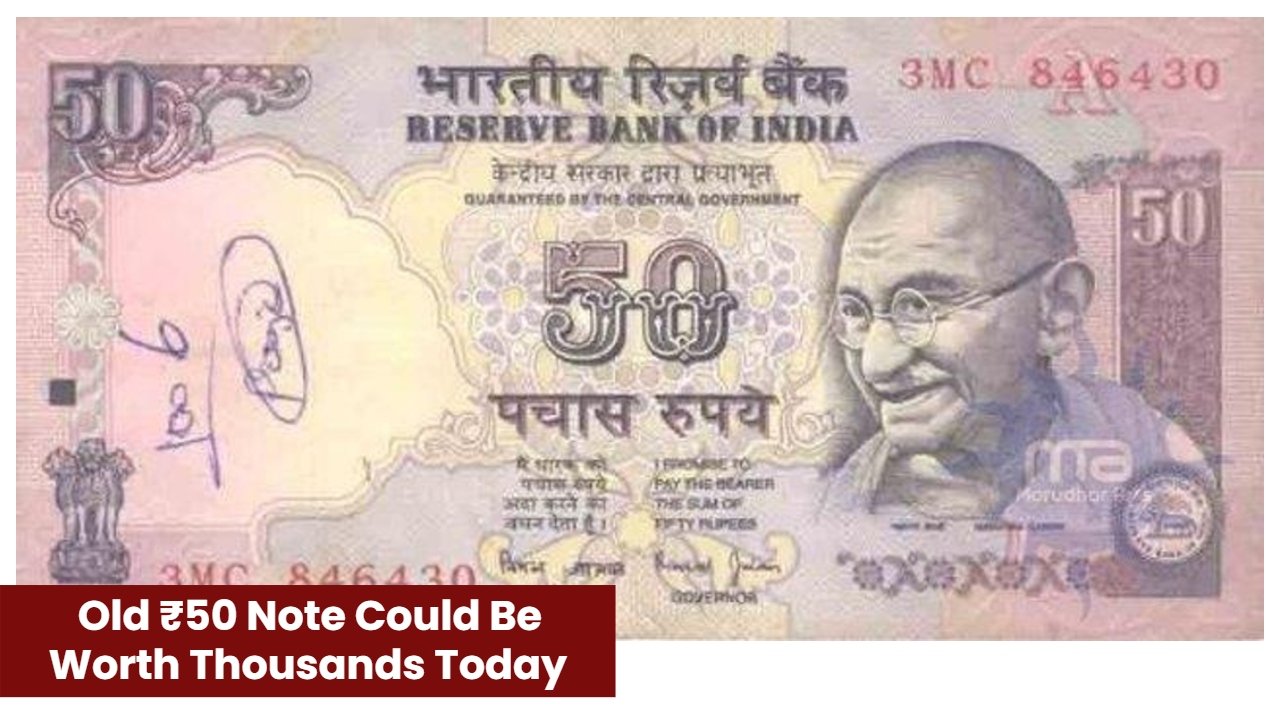
50 Rupee Old Note stories prove that sometimes ordinary things hide extraordinary value. A simple note in your wallet could attract collectors and fetch far more than ₹50—if it has the right features.
Why a 50 Rupee Old Note Can Suddenly Become Valuable
You might have handled hundreds of ₹50 notes without a second thought. However, collectors see these notes differently. In addition, many hobbyists actively search for rare serial numbers, discontinued designs, or culturally significant markings. Therefore, what looks common to you may feel priceless to them.
Meanwhile, note collecting—also known as notaphily—has grown steadily in India. Consequently, demand for rare Indian currency has increased on online marketplaces. Moreover, social media and auction platforms have made it easier for collectors and sellers to connect directly.
Understanding the Collector’s Mindset Behind Old Currency Notes
Collectors do not buy old notes because of their purchasing power. Instead, they value history, rarity, and uniqueness. On the other hand, banks and the government treat all valid notes at face value only.
Additionally, serial numbers play a huge role in pricing. Fancy numbers, repeating digits, radar numbers, or culturally significant numbers often drive demand. Therefore, a small printing detail can turn a regular note into a collector’s item.
What Makes a 50 Rupee Note Special for Collectors
Certain characteristics make some ₹50 notes stand out. Moreover, notes in excellent condition—without folds, stains, or tears—usually command higher prices. Meanwhile, older designs that are no longer in circulation also attract attention.
One commonly discussed example is a ₹50 note featuring the serial number 786 along with Mahatma Gandhi’s portrait. Consequently, some collectors associate this number with cultural or religious significance, increasing demand.
| Feature | Details |
|---|---|
| Serial Number | Special numbers like 786, 000001, or repeating digits |
| Condition | Clean, crisp notes without damage |
| Design | Older or discontinued RBI designs |
| Print Errors | Misprints or alignment issues (rare) |
Does the RBI Give Extra Value for Rare Notes?
Here’s where clarity matters. The Reserve Bank of India does not assign any extra monetary value to rare or old notes. For the RBI, a ₹50 note remains worth ₹50 only. However, private collectors operate independently of the banking system.
Therefore, any higher price comes purely from market demand. Additionally, the RBI neither promotes nor officially approves the buying and selling of collectible currency notes.
Where People Sell Old 50 Rupee Notes Online
If you believe you own a rare note, you can list it on online marketplaces. Platforms like auction or classified sites allow sellers to post images and descriptions. Meanwhile, buyers place bids based on perceived value.
However, pricing is never guaranteed. On the other hand, some sellers quote unrealistic amounts without actual buyers. Therefore, research recent listings and completed sales before setting expectations.
Important Risks and Legal Points You Must Know
Although selling old notes is not illegal, it is also not regulated by the RBI. Consequently, fraud risks exist. Additionally, fake buyers, advance-fee scams, or misleading offers are common online.
Therefore, always use secure platforms, avoid sharing personal details, and never send notes without confirmed payment. Moreover, remember that shops and businesses will only accept the note at face value for daily transactions.
Is It Worth Checking Your Wallet Right Now?
Honestly, most ₹50 notes are ordinary. However, checking costs nothing. Meanwhile, if you do find a unique serial number or an old design in mint condition, it may interest collectors.
In conclusion, a 50 Rupee old note will not magically make you rich. But in rare cases, it can turn into a valuable collectible. Therefore, awareness, caution, and realistic expectations are key when exploring this fascinating hobby.